Key takeaways
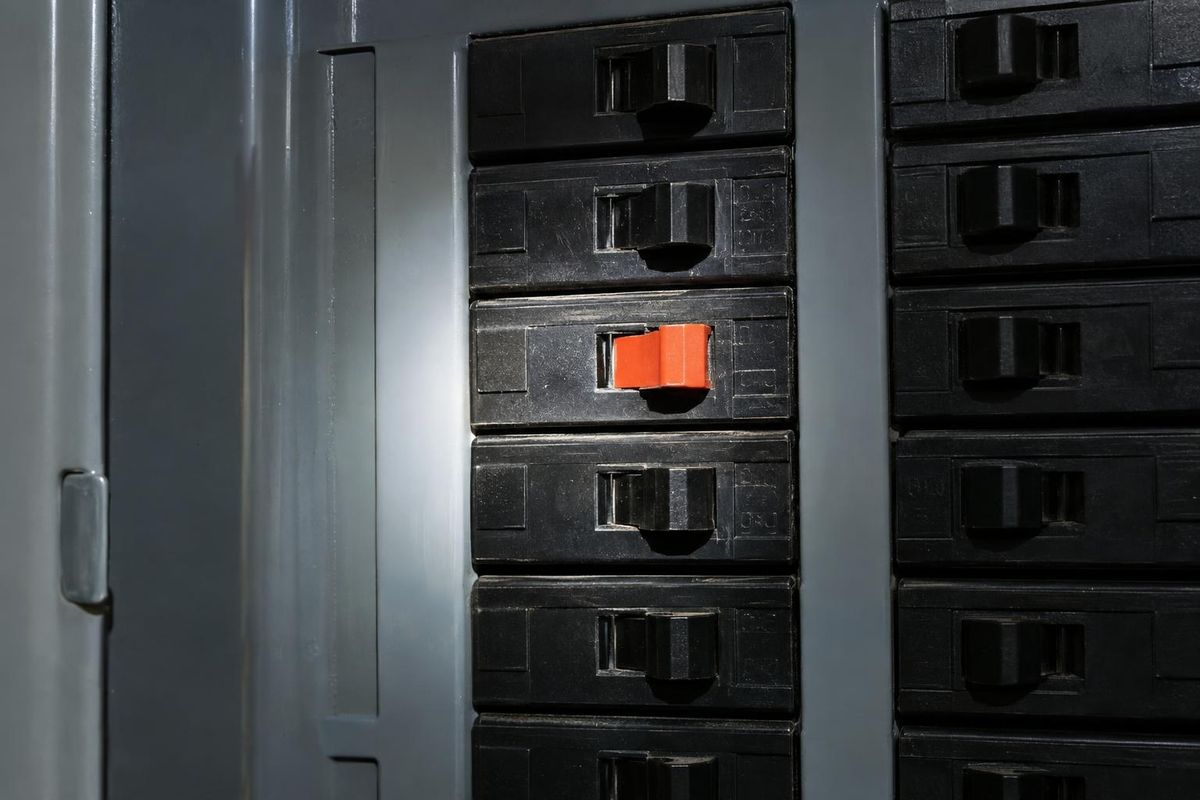
- Breakers trip to protect wires from overheating.
- Overloads, short circuits and ground faults are the three main causes.
- A breaker that trips repeatedly means a problem to fix, not a breaker to replace with a bigger one.
- Warm breakers and burning smells need prompt professional attention.
Overloads
An overload happens when too much is plugged into one circuit. A microwave and a toaster on the same kitchen circuit, or a space heater and a vacuum in a bedroom, can pull more current than the wire is meant to carry. The breaker trips after a short delay.
The fix is to spread the load, or have a new circuit added.
Short circuits
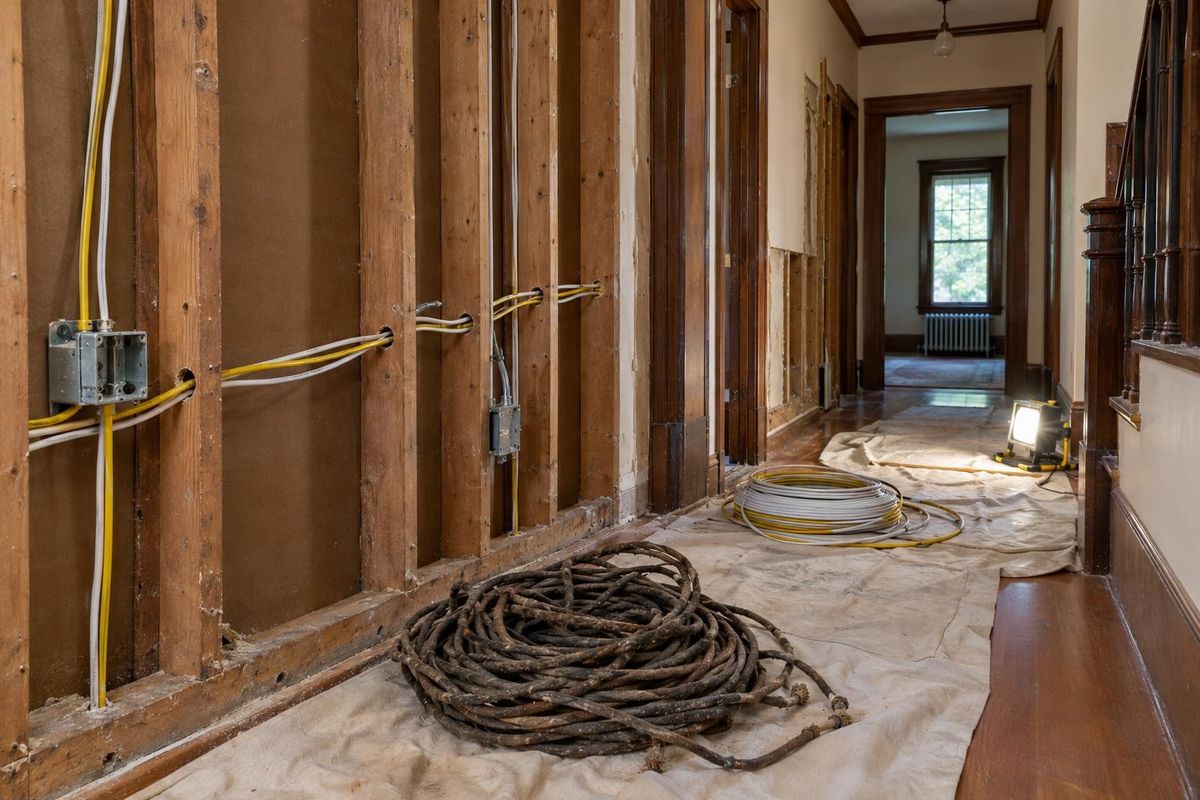
A short circuit happens when a hot wire touches a neutral or another hot wire. Current surges and the breaker trips almost instantly, often with a pop. Causes include damaged insulation, loose wires in a box or a failed appliance.
Unplug everything on the circuit before resetting. If it trips again with nothing plugged in, the wiring is the problem.
Ground faults
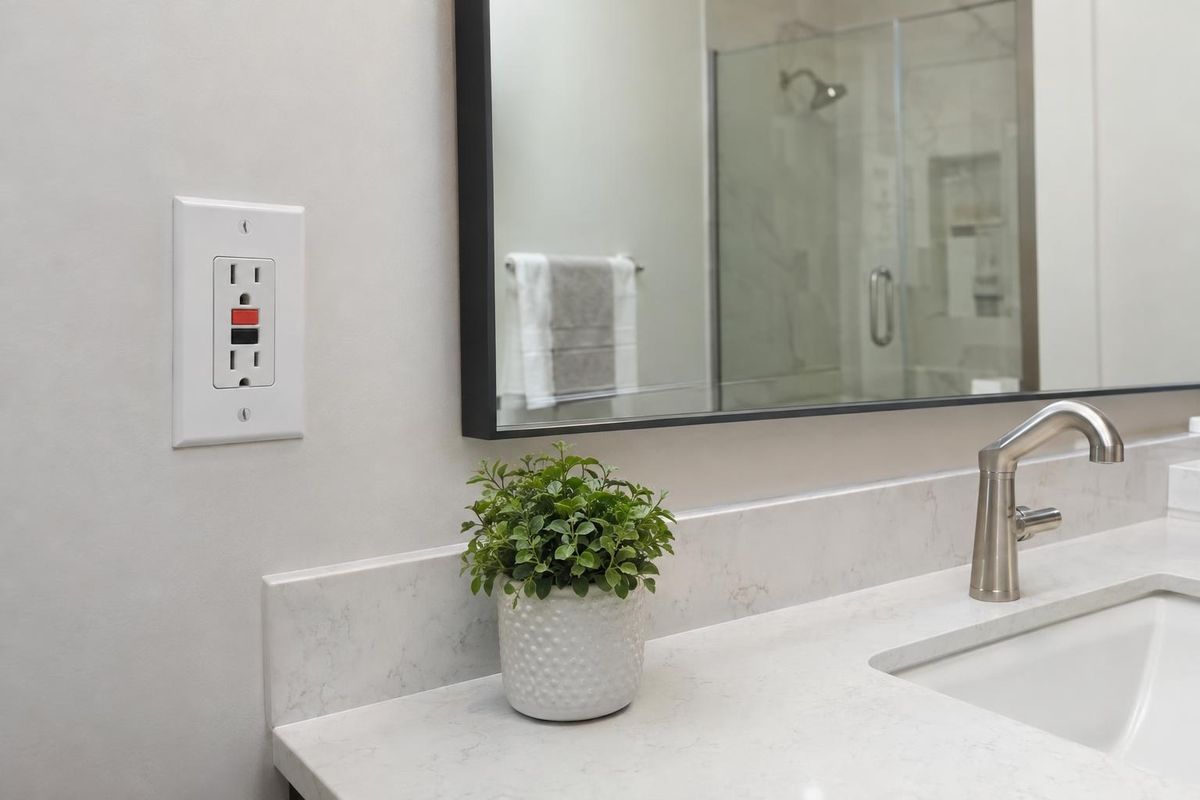
A ground fault means current is leaking to ground, through a wet appliance, a damaged cord or a person. GFCI devices are designed to detect these and trip fast. A tripped GFCI in a bathroom or kitchen often points to moisture or a failing appliance.
Persistent ground faults need an electrician.
What not to do
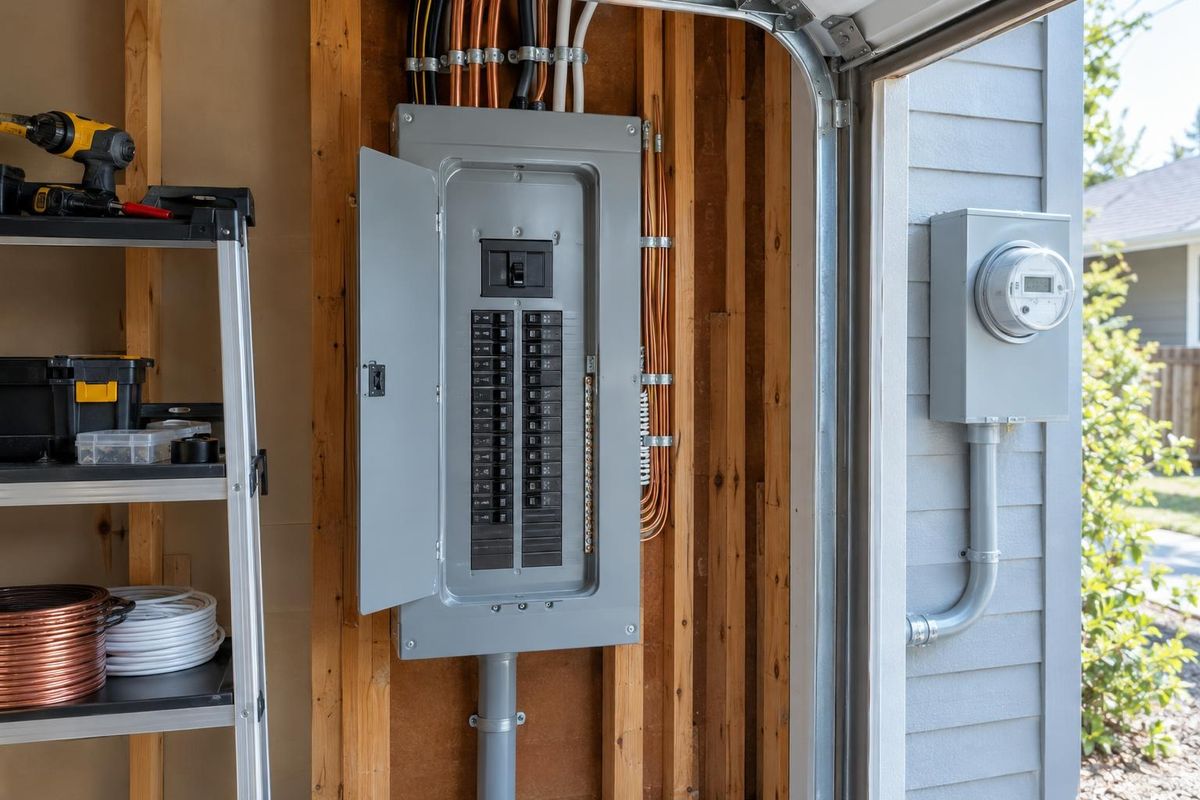
Never replace a breaker with a larger one, and never tape a breaker on. The breaker is sized to the wire, and a larger one lets the wire overheat. If a breaker feels hot, buzzes or has scorched marks, switch it off and call an electrician.
Keep the area around your panel clear.
Quick answers
Why does my breaker trip when it is raining?
Moisture in an outdoor fixture, outlet or wire can cause ground faults.
Can a breaker wear out?
Yes. Old breakers can trip early or fail to trip.
Is a tripping breaker an emergency?
Not usually, but repeated tripping, heat or smells mean you should call.