Key takeaways
- Most projects start with a site visit and a plan.
- Permits and inspections are part of larger jobs.
- Some work needs power off for part of a day.
- A final walk-through confirms everything works.
The first visit
The electrician looks at the site, tests what exists and listens to what you want. You get a plain-language explanation of options. Larger jobs involve a load calculation and a written scope.
Take photos or notes of any problems before the visit.
Permits and scheduling
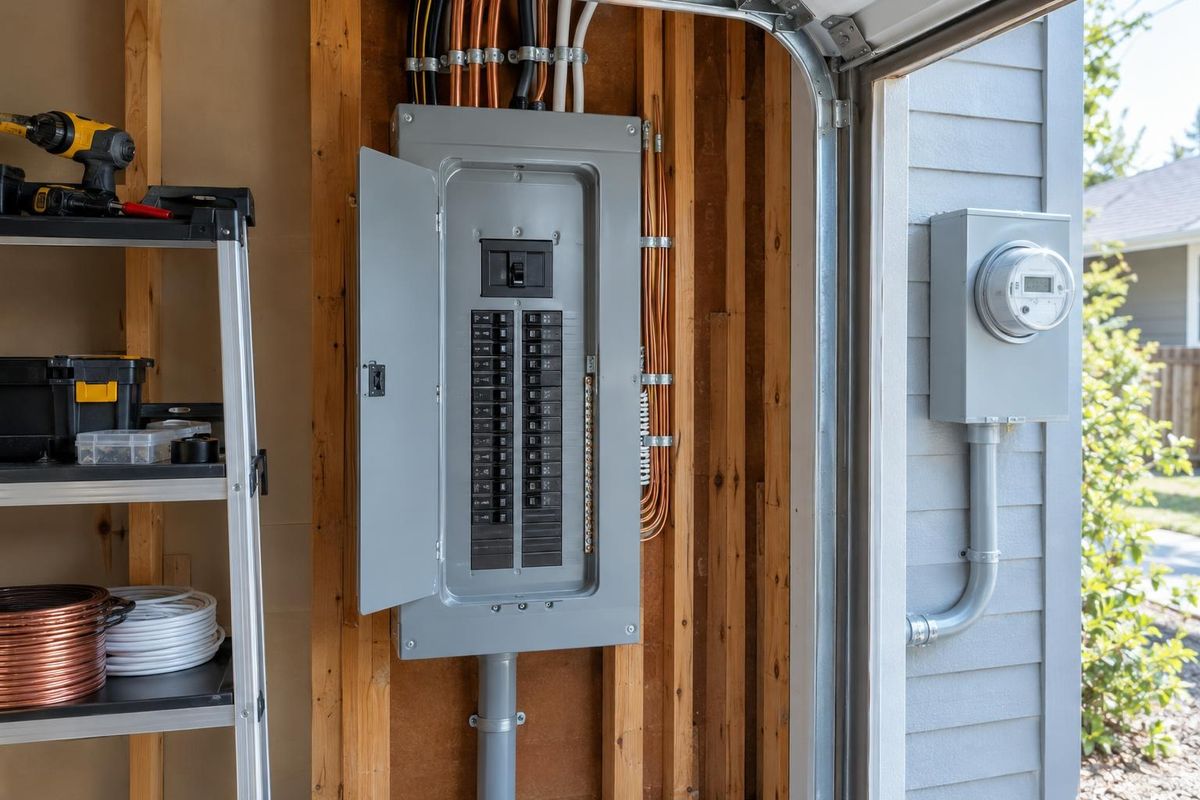
Panel changes, new circuits, services and additions generally need permits. Your electrician files the application, schedules inspections and plans the work around them. Utility coordination may be needed for service work.
Ask about timing so you can plan your days.
During the work
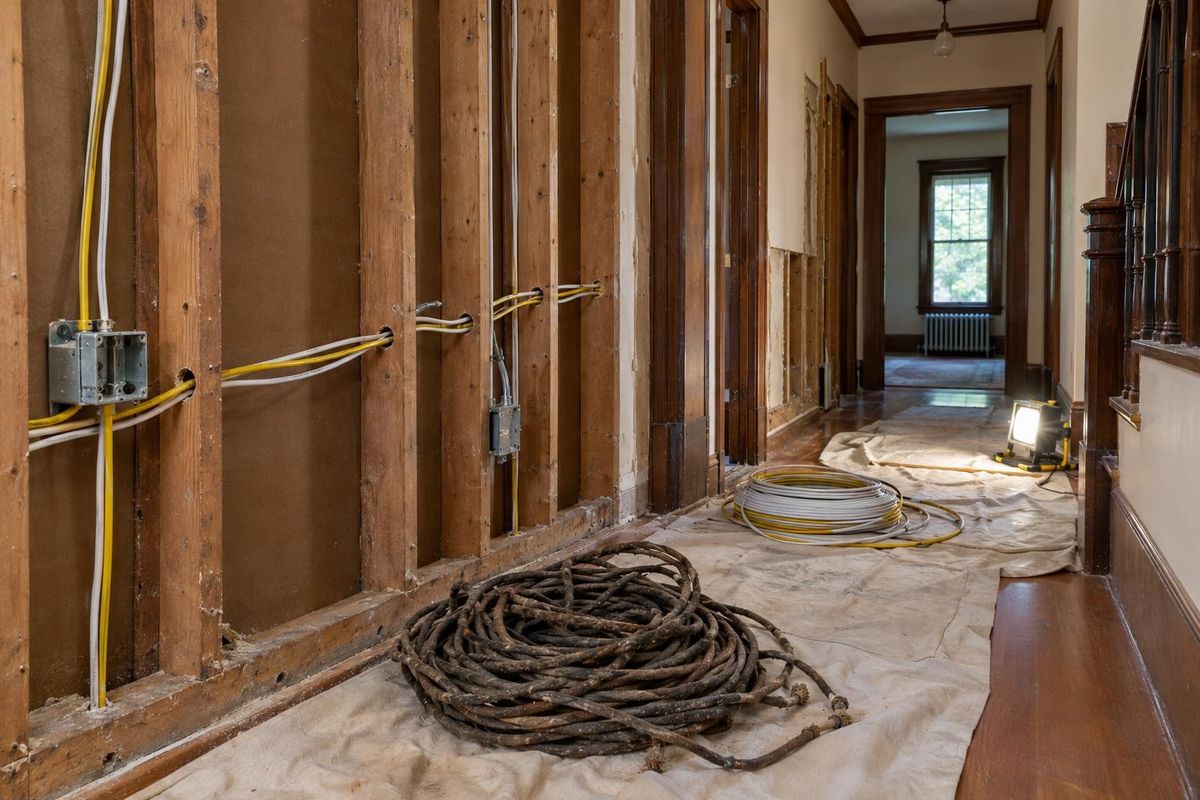
Expect some noise, a bit of dust where walls or ceilings are opened and power shut off for part of the day. Good crews protect floors, clean up daily and explain what they are doing. Sensitive equipment, such as computers and medical devices, should be planned for in advance.
Keep pets and children away from the work area.
Inspection and finish
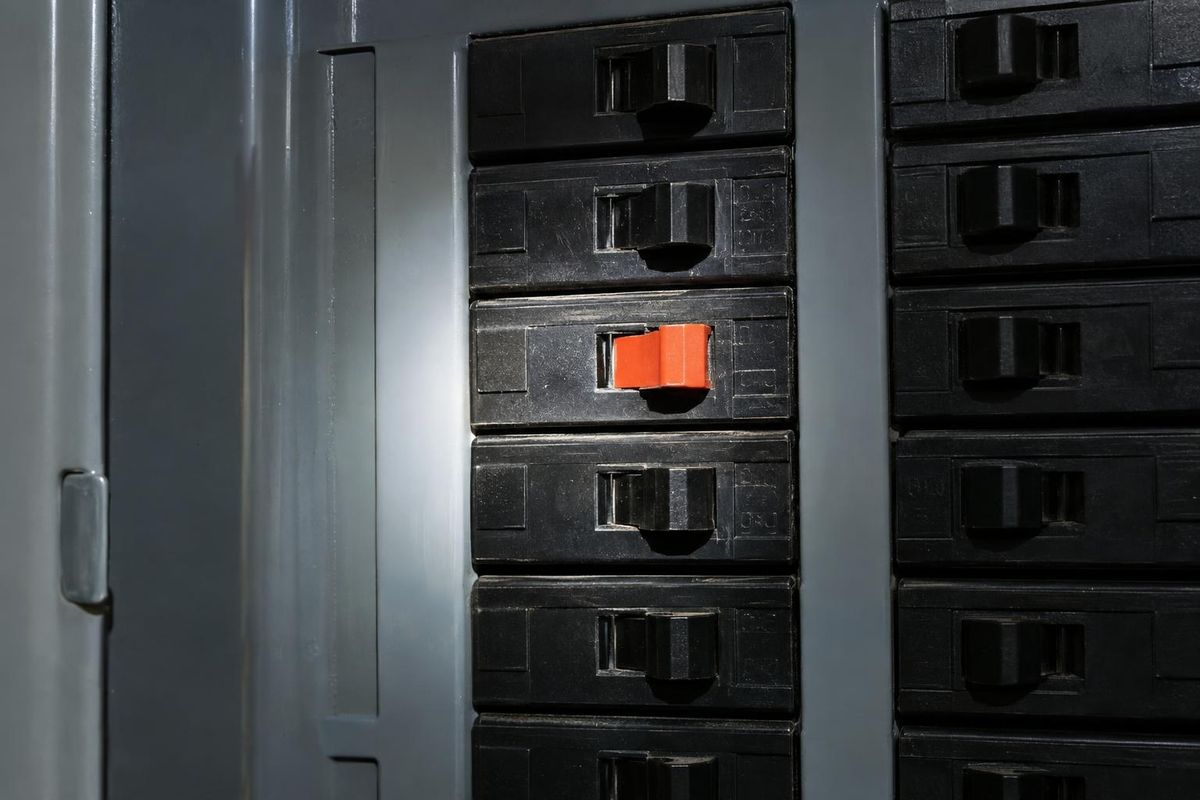
After the work, an inspector checks it when a permit is involved. Your electrician tests every circuit, labels the panel and walks you through the results. Keep paperwork for insurance and resale.
Ask for the circuit directory so you know what each breaker controls.
Quick answers
Will the power be off all day?
Usually only for part of it, and we plan around you.
Do I need to be home?
Someone should be available at the start and end, and for access.
How long do projects take?
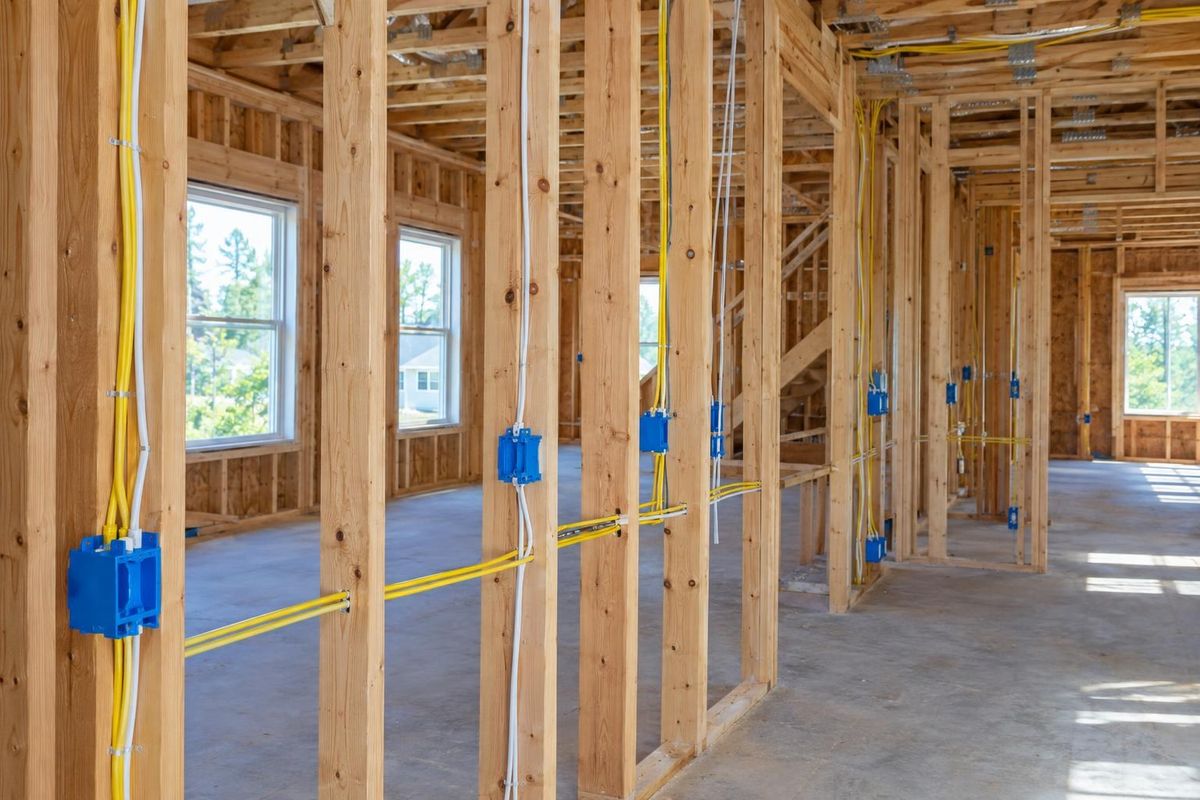
Small repairs take hours, panel upgrades a day and rewires longer.