Key takeaways
- Standby generators start automatically, and portable units are manual and flexible.
- Size the generator to the loads you want to run.
- A transfer switch is essential for safety.
- Generators must run outdoors, away from doors, windows and vents.
Standby or portable
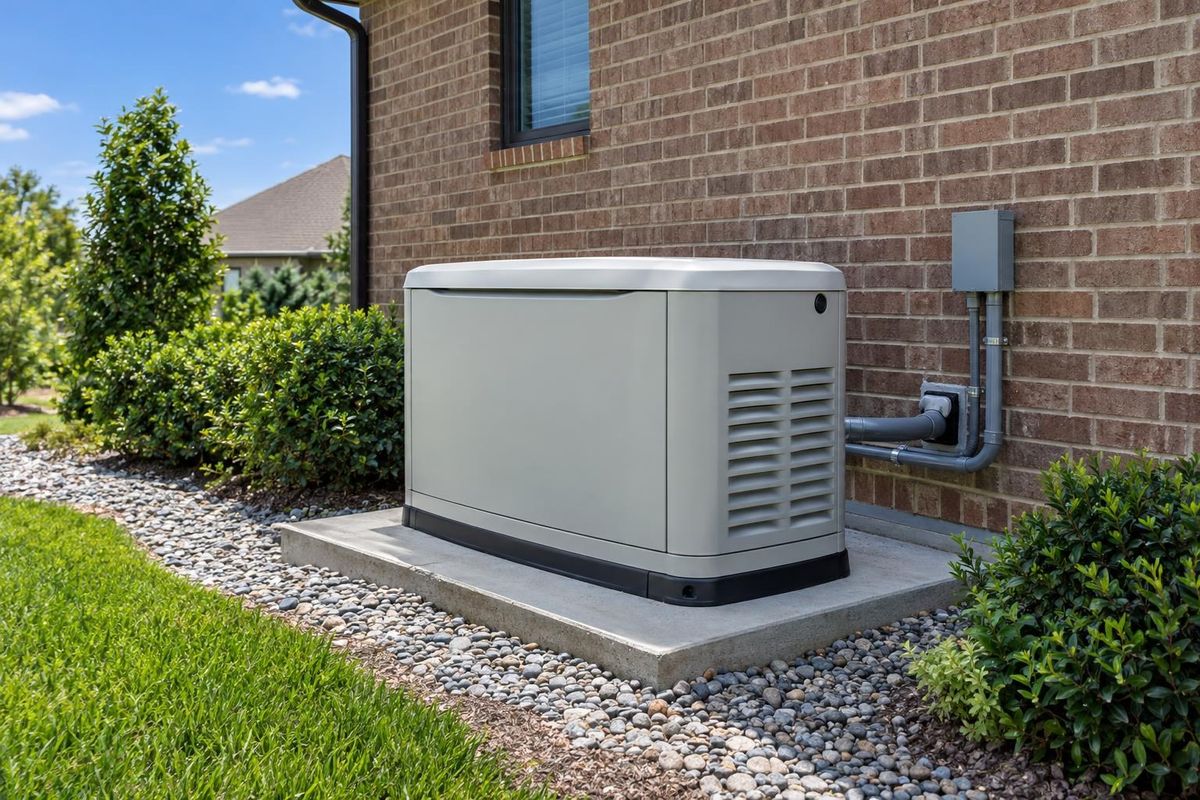
A standby generator sits outside on a pad, runs on natural gas or propane and starts on its own when power fails. A portable generator is a simpler choice that you roll out, fuel and connect when needed. Both can keep a home going, but the experience is very different.
Think about how often you lose power and how long outages last.
Sizing
List the loads you want to power: refrigerator, freezer, lights, furnace blower, sump pump, well pump, internet, and perhaps air conditioning. Add starting loads for motors. A professional load calculation produces the right size, from a few thousand watts for essentials to over twenty thousand for whole-home coverage.
Air conditioners and electric ranges are the biggest consumers.
Transfer switches
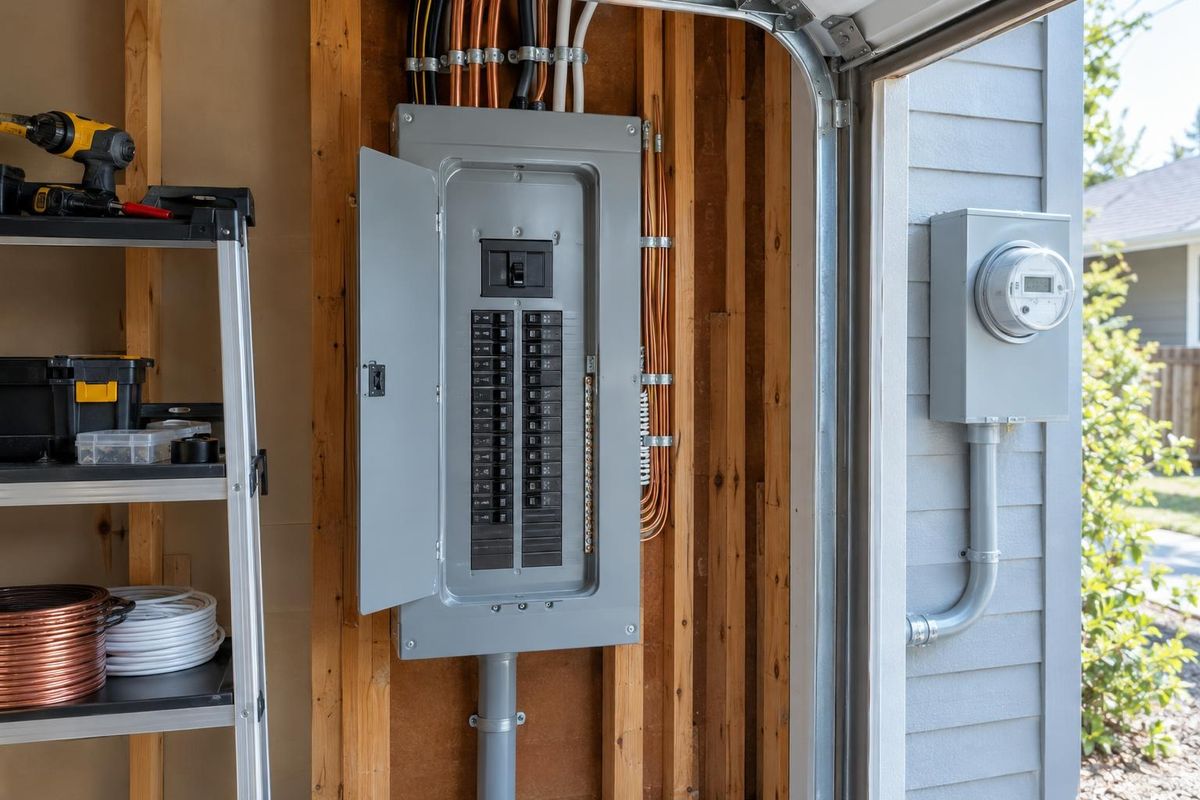
A transfer switch moves your circuits from the grid to the generator and back, and keeps the two apart. It prevents back-feeding, which can electrocute line workers. Automatic switches work with standby units. Manual switches and inlet boxes work with portable generators.
Never plug a generator into a wall outlet.
Placement and safety
Generators produce carbon monoxide and must never be run indoors, in garages or near windows. Standby units need clearances from the house and from openings. Test the system regularly and keep fuel fresh.
Install carbon monoxide alarms inside the home.
Quick answers
How big a generator do I need?
It depends on your loads. A load calculation gives a reliable answer.
Can a generator power my air conditioner?
Yes, if it is large enough. Many owners choose to cover only essentials.
Do generators need maintenance?
Yes. Regular testing, oil changes and fresh fuel keep them ready.