Key takeaways
- Check outlets, cords, switches and the panel for heat, damage and loose parts.
- Test GFCIs and smoke alarms regularly.
- Avoid overloaded outlets and extension cords for permanent use.
- Call a pro for anything that smells, sparks or feels warm.
Outlets and switches
Look for cracked plates, discoloration, loose outlets and plugs that do not stay put. Feel cover plates for warmth after heavy use. Replace damaged devices. Do not use outlets that spark or smell.
Tamper-resistant outlets are a good idea in homes with children.
Cords and power strips
Cords that are cracked or frayed should be thrown away. Extension cords are for temporary use. Power strips should not be chained together, and heavy appliances belong in wall outlets, not strips.
If you rely on cords every day, you probably need more outlets.
Panel, alarms and protection
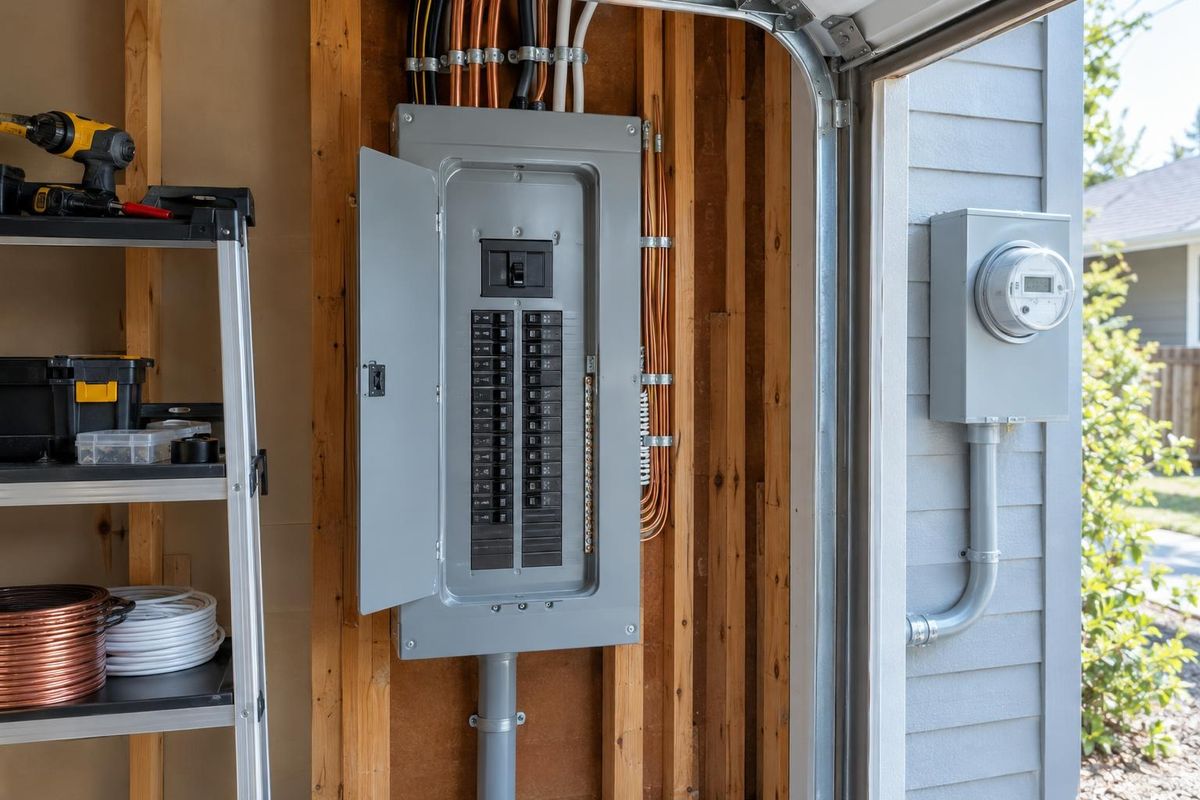
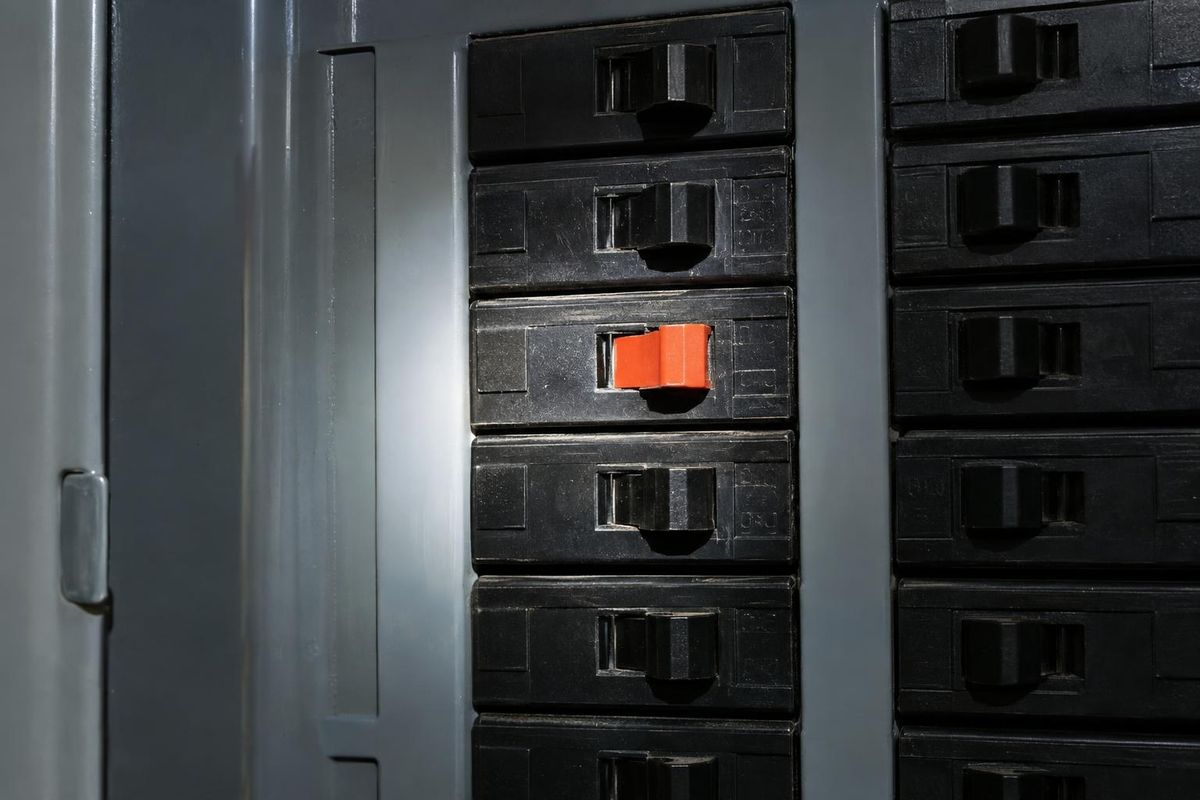
Keep the area around the panel clear. Make sure breakers are labeled. Test GFCI outlets monthly and smoke and carbon monoxide alarms as the maker directs. Replace alarms about every ten years.
Note any breaker that trips regularly and tell an electrician.
Outdoors and special locations
Outdoor outlets should have weatherproof in-use covers and GFCI protection. Hot tubs, pools and garages have special rules. Keep ladders, trees and equipment well away from overhead service lines.
Call before digging to avoid underground cables.
Quick answers
How often should I check my home?
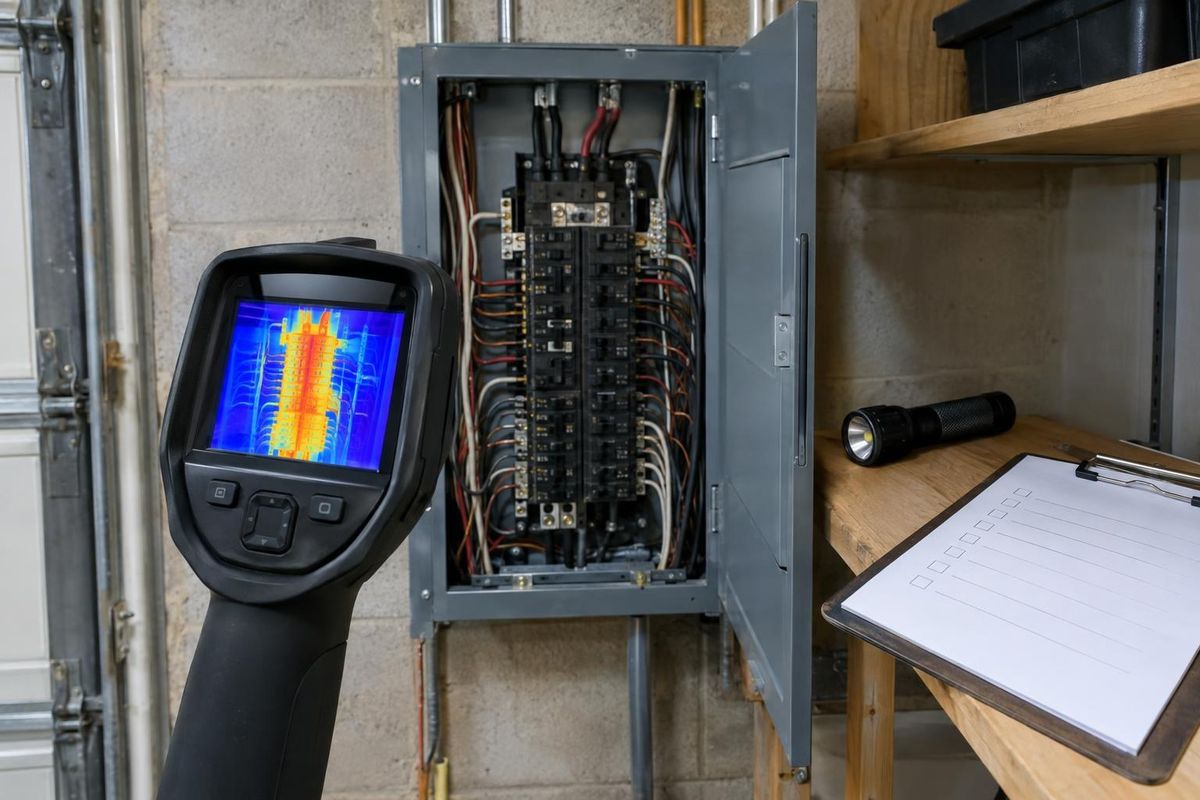
A quick look twice a year and a professional check every few years is a good routine.
What is an immediate warning sign?
A burning smell, sparks, smoke or a hot panel. Turn off power if safe and call for help.
Can I do all of this myself?
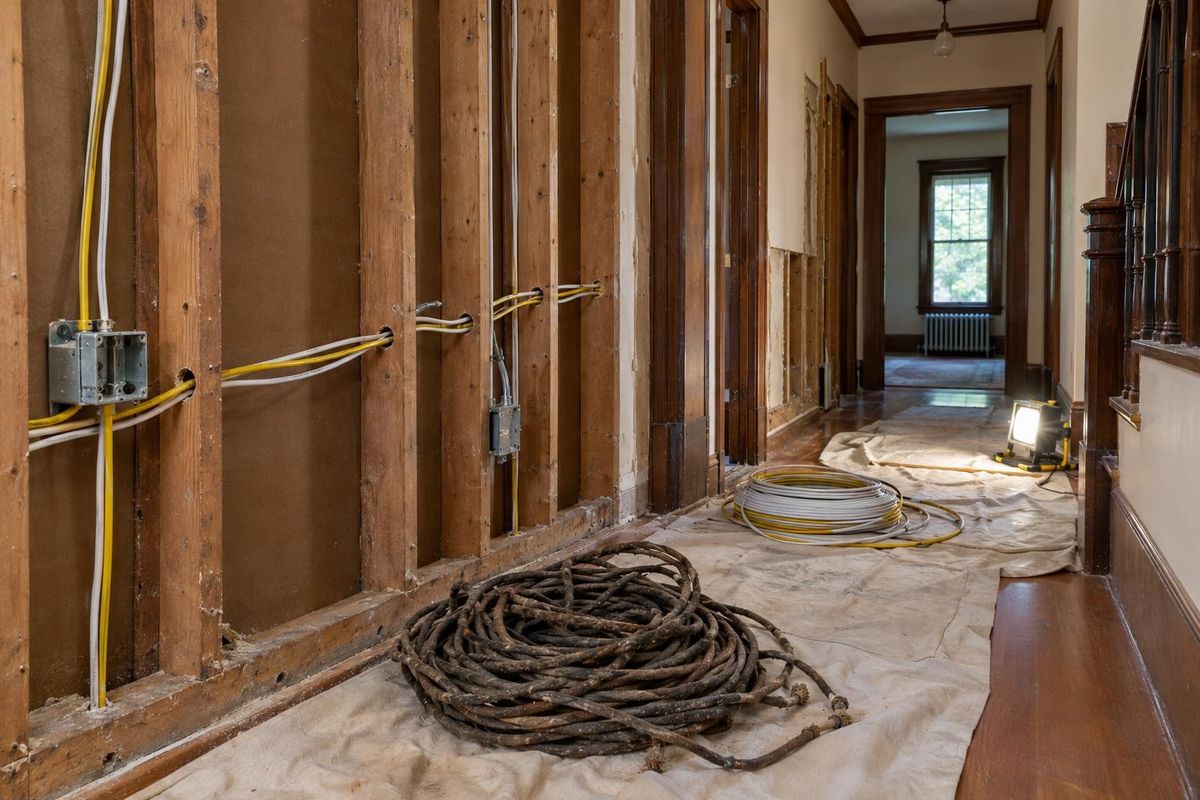
Visual checks and testing devices, yes. Repairs inside walls and panels belong to electricians.