
Key takeaways
- GFCIs protect people from shock by detecting leakage to ground.
- AFCIs protect against fires by detecting arcing in damaged wiring.
- Both are required in many areas of newer homes.
- Test GFCIs monthly and replace devices that fail the test.
What a GFCI does
A ground-fault circuit interrupter compares the current going out on the hot wire with the current returning on the neutral. If there is a difference of even a few thousandths of an amp, it assumes the current is leaking through something it should not, such as a person, and cuts power in a fraction of a second.
GFCIs are required near water: bathrooms, kitchens, garages, basements, laundry areas and outdoors.
What an AFCI does
An arc-fault circuit interrupter listens for the electrical pattern of arcing, which can occur in damaged cords, pinched wires or loose connections behind walls. Arcs make intense local heat, and AFCI breakers trip before that heat starts a fire.
Codes now require AFCI protection in most living areas of new and altered circuits.
Outlets, breakers and combination devices
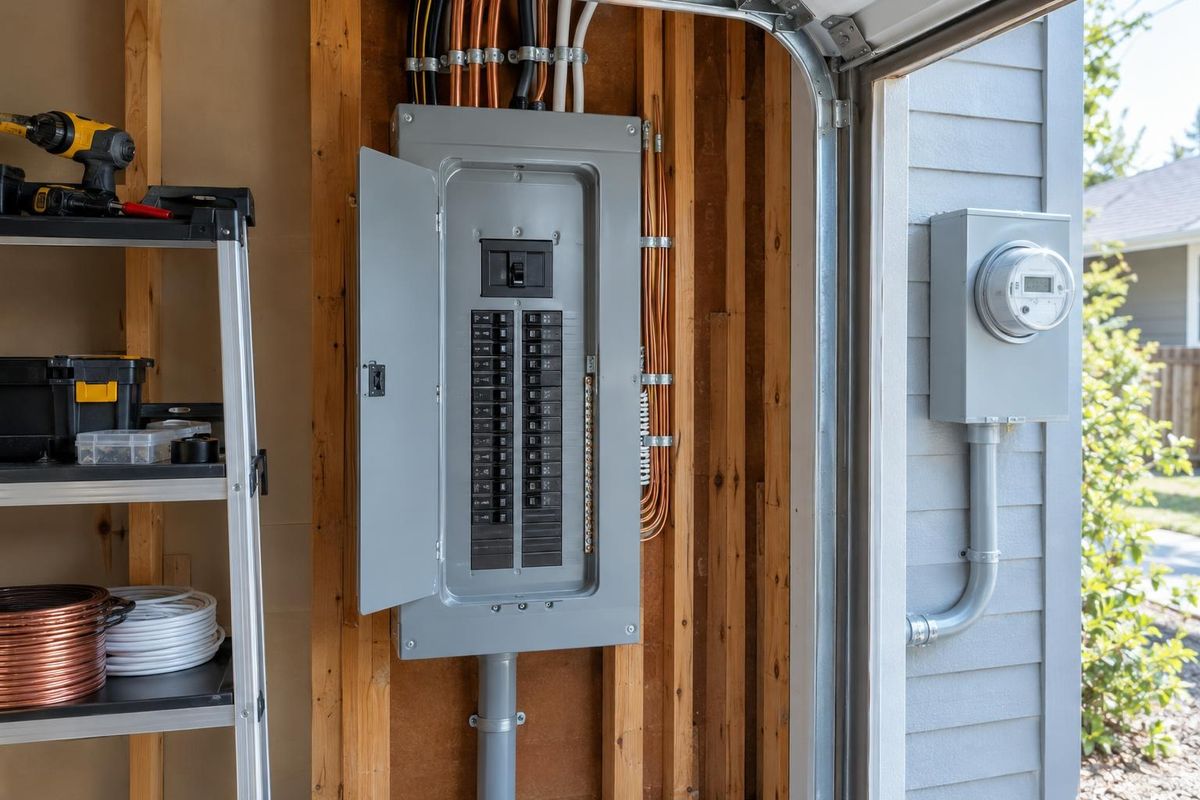
Both protections come as outlets or as breakers. A GFCI outlet protects itself and can protect outlets downstream. A breaker protects the whole circuit. Dual-function breakers combine both protections.
Where to use each depends on the circuit and the code that applies.
Testing and troubleshooting
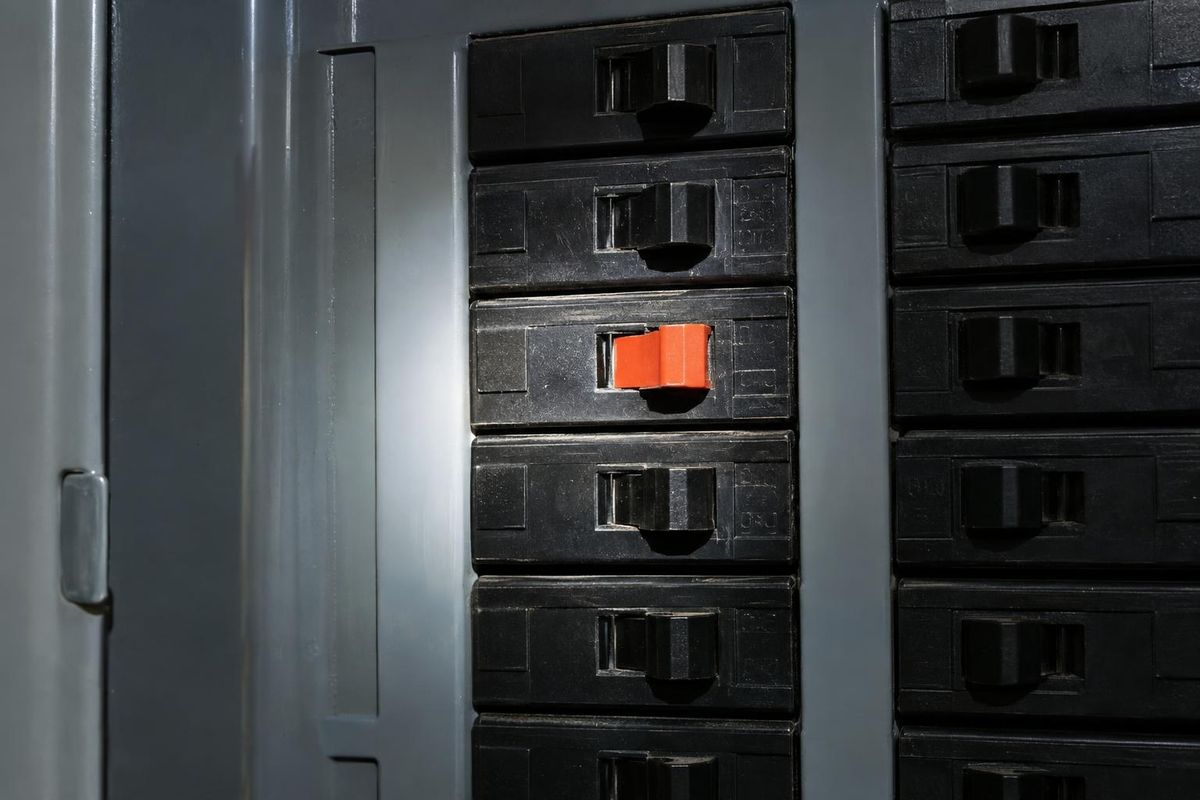
Press the test button on GFCI outlets once a month. Power should go off, and the reset button restores it. AFCI and combination breakers have test buttons too. A device that does not trip when tested, or trips repeatedly without cause, should be replaced.
Nuisance tripping can mean a real fault, so have it checked.
Quick answers
Are GFCI outlets needed on every outlet?
Only in required locations, but protecting more is safe.
Why does my AFCI keep tripping?
It may have found arcing in a cord or wiring. Unplug devices to find the cause.
Can older homes have GFCI protection?
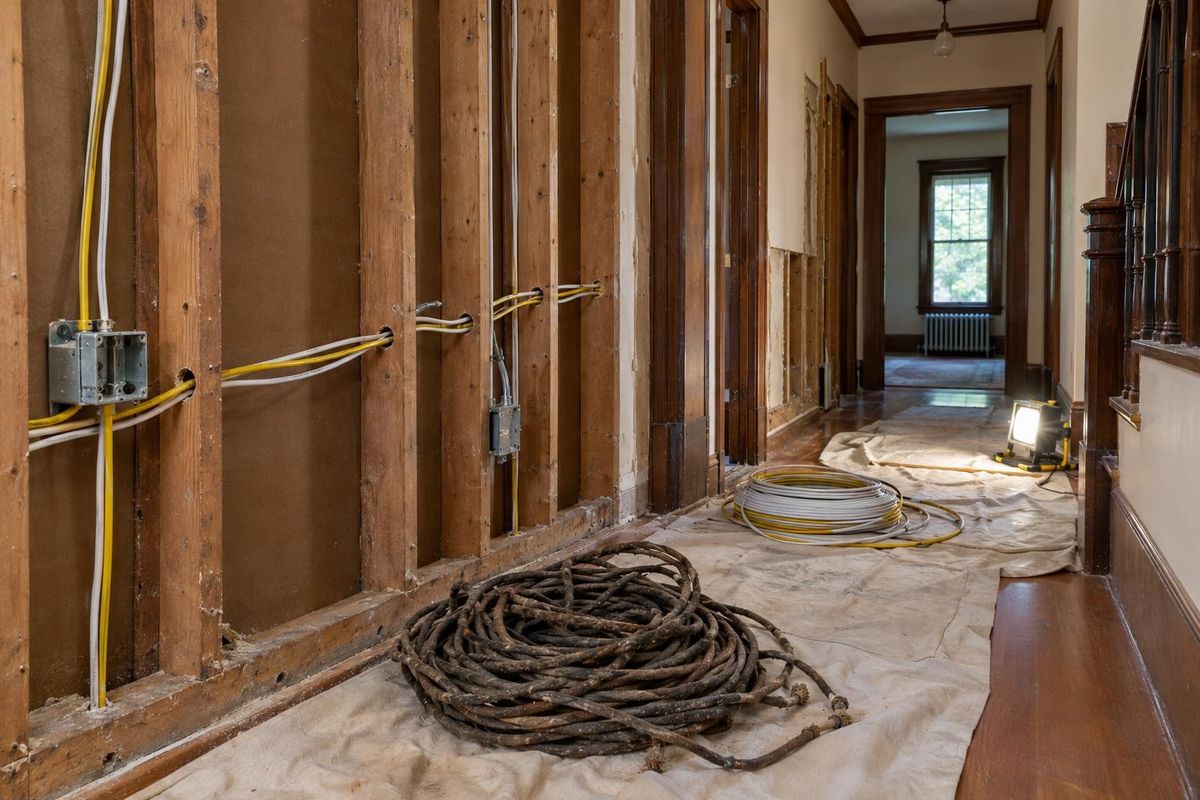
Yes. It can be added by replacing outlets or breakers.